← Back to projects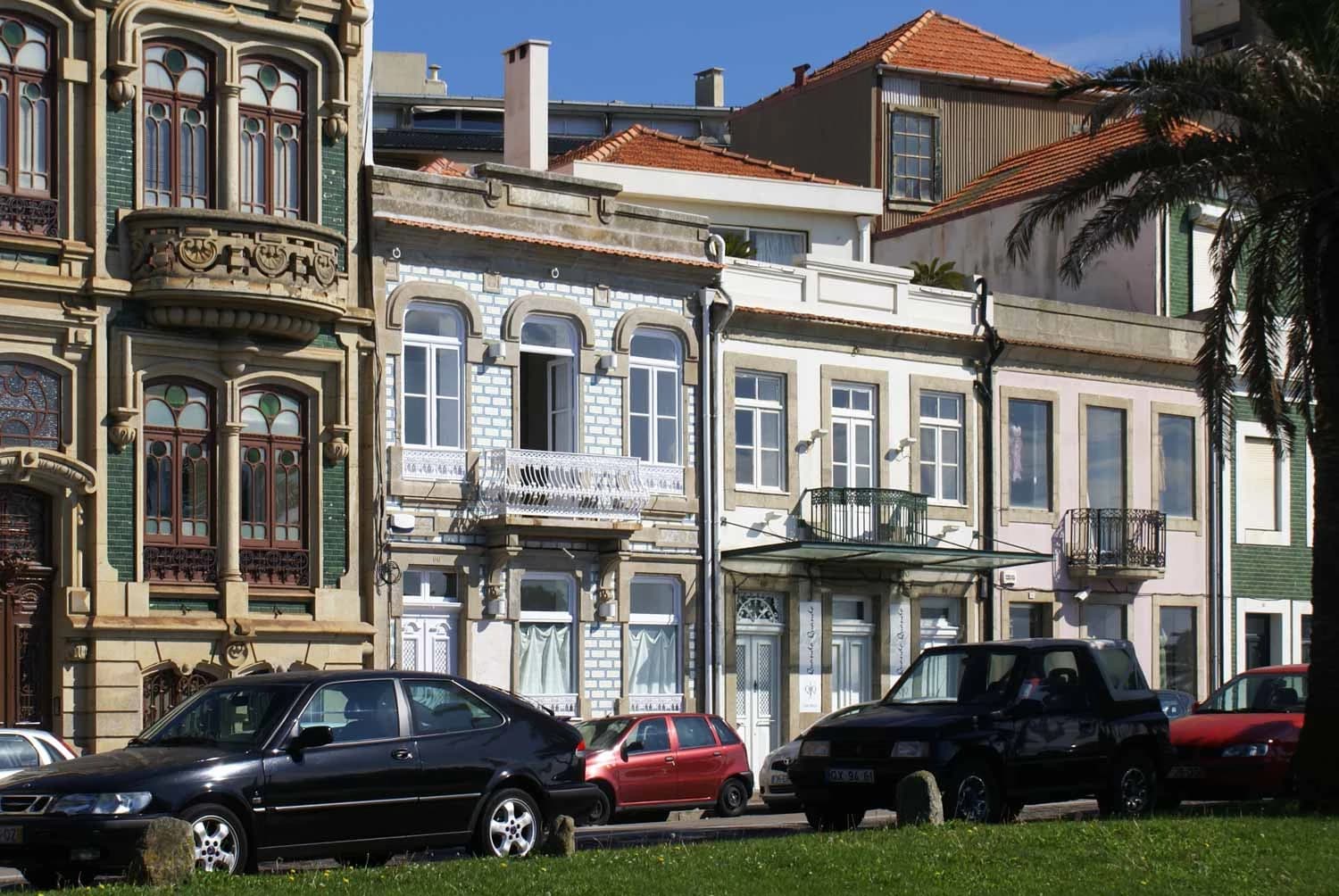
Renovation & RepurposeProject & Construction
Concept Store na Avenida do Brasil
<h2 class="scroll-m-20 text-xl font-semibold tracking-tight first:mt-0">Concept</h2><p class="leading-7 [&:not(:first-child)]:mt-6">The challenge was to create a <strong>continuous and flexible commercial space</strong>, capable of integrating various products and functions, including dining and cafeteria areas, without losing visual and spatial coherence.<br>The architectural response focuses on <strong>fluidity and transparency</strong>, promoting visual relationships between floors and a strong connection between the interior and exterior.</p><p class="leading-7 [&:not(:first-child)]:mt-6"></p><hr><h2 class="scroll-m-20 text-xl font-semibold tracking-tight first:mt-0">The pre-existence</h2><p class="leading-7 [&:not(:first-child)]:mt-6">The original house, narrow and deep, had a <strong>yard on two levels</strong> and a <strong>central hall</strong>, characteristic elements of Porto's architecture, which ensured natural light and ventilation.<br>These elements became the conceptual basis of the intervention, reinterpreted as <strong>nuclei of light and relationship</strong> between the various spaces of the store.</p><p class="leading-7 [&:not(:first-child)]:mt-6"></p><hr><h2 class="scroll-m-20 text-xl font-semibold tracking-tight first:mt-0">The intervention</h2><p class="leading-7 [&:not(:first-child)]:mt-6">The project <strong>maximized the potential of the existing construction</strong>, restoring stairs, balustrades, doors, baseboards, and wooden floors.<br>The degraded walls of the hall were removed, increasing brightness and communication between floors.<br>A <strong>new glass floor</strong> highlights the old tar waterproofing and creates a point of transparency between levels.<br>The <strong>wooden structures of the original interior walls</strong> were left visible and protected by glass panels, integrating the construction memory into the new spatial discourse.</p><p class="leading-7 [&:not(:first-child)]:mt-6">On the main facade, the <strong>tiles were replaced with artisanal replicas</strong>, preserving the original character of the building.<br>In the rear courtyard, a <strong>glazed and lightweight volume</strong> expands the usable area and ensures the complete reading of the old facade, now enhanced by transparency.</p><p class="leading-7 [&:not(:first-child)]:mt-6">The <strong>upper yard</strong> was transformed into a terrace, surrounded by continuous landscaped flower beds and seats covered with glass tiles.<br>The <strong>fixed furniture and tables and chairs</strong> were specifically designed for the project, extending the architectural discourse through interior design.</p><p class="leading-7 [&:not(:first-child)]:mt-6"></p><hr><h2 class="scroll-m-20 text-xl font-semibold tracking-tight first:mt-0">Summary</h2><p class="leading-7 [&:not(:first-child)]:mt-6">The <strong>Avenida do Brasil Concept Store</strong> is a rehabilitation that merges memory and contemporaneity.<br>The project values the original building and translates it into a <strong>living cultural and commercial space</strong>, where architecture takes on the role of <strong>mediator between history, function, and experience</strong>.</p>